
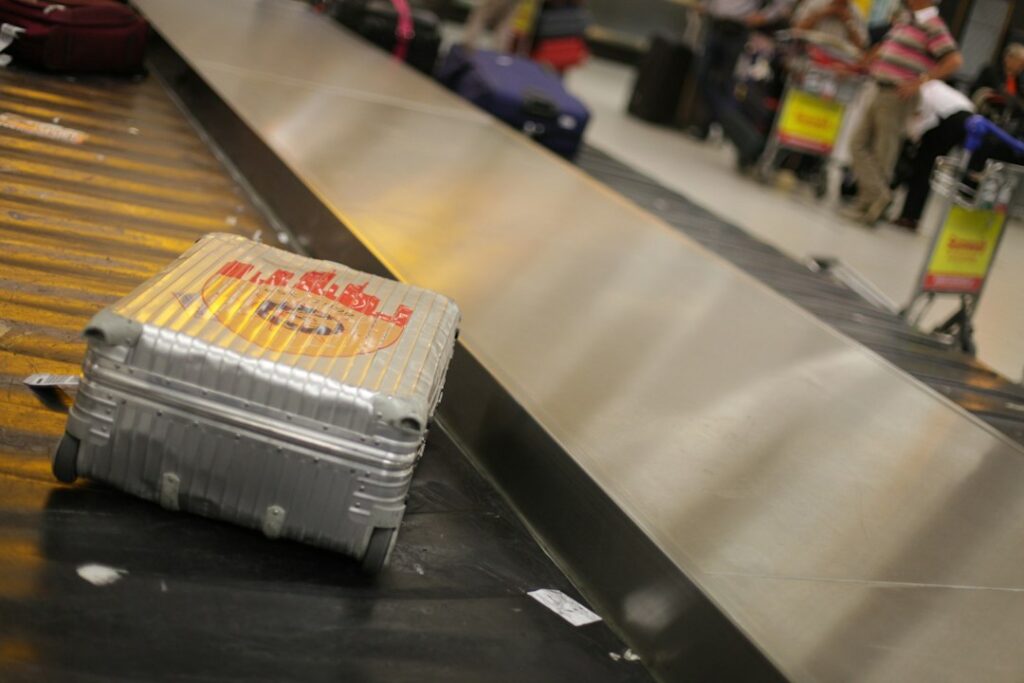
Travel insurance can cover lost luggage, but coverage is rarely automatic or unlimited. Payment may come from more than one source, including the airline, a travel insurance policy, a homeowners or renters policy, or a credit card benefit.
The key is understanding which policy responds first, what documentation is required, and whether the missing property is covered under the policy’s definitions and limits.
Does travel insurance cover lost luggage?
Yes. Many travel insurance policies include baggage loss, baggage delay, or personal effects coverage. These benefits may apply when checked luggage or personal belongings are lost, stolen, damaged, or delayed during a covered trip.
Travel insurance baggage coverage is often secondary. That means the traveler may need to seek payment from the airline, transportation provider, homeowners or renters insurer, or another responsible source before the travel policy pays the remaining eligible amount.
Coverage differs substantially between policies. A plan may cover:
- The depreciated value of clothing, luggage, and personal items
- Necessary purchases while a bag is delayed
- Replacement costs up to a stated limit
- Theft of belongings during the trip
- Lost passports or travel documents
- Certain fees for replacing essential items
A policy may exclude cash, jewelry, electronics, business equipment, fragile objects, sports gear, or property left unattended. Some policies also impose lower sublimits for particular categories of belongings.
What should a traveler do when a bag does not arrive?
The first claim should usually be made with the airline or transportation provider. Do not leave the baggage area without reporting the problem if airline staff are available.
Ask for a written mishandled-baggage report and keep the claim number. Retain the baggage tag, boarding pass, travel itinerary, and any messages or emails related to the report. If the airline provides a tracking number or online claim system, save screenshots and status updates.
For a delayed bag, keep receipts for reasonable necessities such as toiletries, basic clothing, and other immediate needs. Avoid unusually expensive purchases unless the circumstances clearly require them and the airline or insurer confirms they may be eligible.
If the airline declares the bag permanently lost, complete the more detailed claim form by the stated deadline. Airlines may request receipts, photographs, warranty records, credit card statements, or other proof of ownership and value.
How much does an airline have to pay?
Airline reimbursement is subject to legal limits, claim procedures, and the terms that apply to the itinerary.
For domestic flights, federal rules allow airlines to limit liability for lost, damaged, or delayed baggage. The current maximum permitted liability is generally $4,700 per passenger. For most international flights covered by the Montreal Convention, the limit is approximately $2,175 per passenger, based on the applicable international liability measure.
These figures are maximum limits, not guaranteed payments. An airline may calculate the value of used property after depreciation rather than paying the cost of brand-new replacements. The airline may also require proof that the items were inside the luggage.
A traveler generally cannot receive more than the actual covered loss from multiple sources. If the airline pays part of the claim, another insurer may subtract that amount before issuing payment.
Can homeowners or renters insurance cover luggage?
A homeowners or renters policy may cover personal property that is stolen or damaged away from the residence. This type of protection is often called off-premises personal property coverage.
Whether it applies to lost luggage depends on the cause of loss and the policy language. Theft may be covered even when it occurs during travel, subject to the deductible and policy limits. Simple misplacement, unexplained disappearance, or property lost while under the control of a transportation company may be excluded.
A homeowners or renters policy may also have:
- A deductible that makes a small claim impractical
- Lower limits for property away from the residence
- Special limits for jewelry, cash, electronics, or business property
- Depreciated-value settlement instead of replacement-cost payment
- Requirements to report theft to law enforcement
Before traveling, residents should review the personal property section of the policy rather than assuming all luggage losses are covered. The policy may protect belongings, but it may not cover trip interruption, emergency purchases, or the inconvenience of a delayed bag.
What if the travel insurance policy is secondary?
Secondary coverage can still be useful, but the claim process may take longer. The insurer may ask for:
- A copy of the airline’s baggage report
- The airline’s settlement offer or denial
- Receipts for lost property
- A list describing each item, age, and original cost
- Proof of reimbursement from another insurer
- A police report for theft
- Documentation showing the dates and destination of the trip

A traveler should report the loss to every potentially responsible party promptly. Waiting may create problems if an airline or insurer has a short deadline for filing.
The policy may also require the traveler to take reasonable steps to protect property. For example, leaving valuables in an unattended vehicle or failing to report a theft promptly could affect eligibility.
Are credit card benefits enough?
Some credit cards include lost baggage, delayed baggage, or baggage delay benefits when the trip was purchased with that card. These benefits vary widely and may apply only to the cardholder, immediate family members, or tickets charged in full to the account.
Credit card coverage may have strict requirements, including:
- Using the card to purchase the fare
- Filing with the airline first
- Meeting a notice deadline
- Providing original receipts
- Excluding certain high-value items
- Applying only after other coverage has paid
A credit card benefit should be treated as a possible layer of protection, not a substitute for reading the policy terms. The benefits guide supplied with the card usually explains who is insured, what events are covered, and the maximum payment.
What items are commonly difficult to insure?
High-value items deserve special attention. Airlines and insurance policies may limit or exclude coverage for cash, documents, collectibles, professional equipment, precious metals, prescription medication, and certain electronics.
Travelers should generally keep essential medication, identification, financial cards, irreplaceable documents, and valuable electronics in carry-on baggage when permitted. A checked suitcase is a poor place for items that would be difficult or impossible to replace.
Creating a basic inventory before departure can help. Photograph the contents, record model and serial numbers for electronics, and save receipts for expensive belongings. This is especially useful for longer trips, family travel, and outdoor activities where luggage may include specialized equipment.
Does baggage delay coverage differ from lost luggage coverage?
Yes. Baggage delay coverage usually applies after a stated waiting period and pays for necessary purchases while the luggage is temporarily missing. Lost baggage coverage applies when the bag is considered permanently lost or cannot be recovered.
A delayed-baggage benefit may have a daily limit, an overall maximum, and restrictions on what qualifies as necessary. It may not reimburse items purchased after the bag is located or expenses that are not supported by receipts.
Weather-related travel disruptions can complicate a claim. A severe storm may delay flights and baggage, but coverage depends on the policy’s definitions, exclusions, and sequence of events. The fact that travel was disrupted by weather does not automatically mean every resulting expense is insured.
What is the most practical way to prepare?
Before leaving home, review the travel policy, homeowners or renters policy, and any applicable credit card benefits. Pay particular attention to deductibles, exclusions, item limits, claim deadlines, and whether coverage is primary or secondary.
For travelers departing from or returning to the Mount Carmel community, practical preparation can also include allowing extra time for connections during periods of severe weather and keeping essential items in a carry-on. Rural and small-community households may be traveling with equipment, medication, or personal items that are more difficult to replace quickly, making documentation especially valuable.
Lost luggage coverage can provide meaningful help, but it is not an unlimited promise to replace everything in a suitcase. The strongest claim usually combines prompt reporting, accurate records, reasonable expenses, and a clear understanding of which policy or carrier is responsible.
